logo
Good price online

products details

Created with Pixso. Home Created with Pixso. Products Created with Pixso.
Hazardous Storage Cabinet
Created with Pixso. Lithium Battery Charging Cabinet

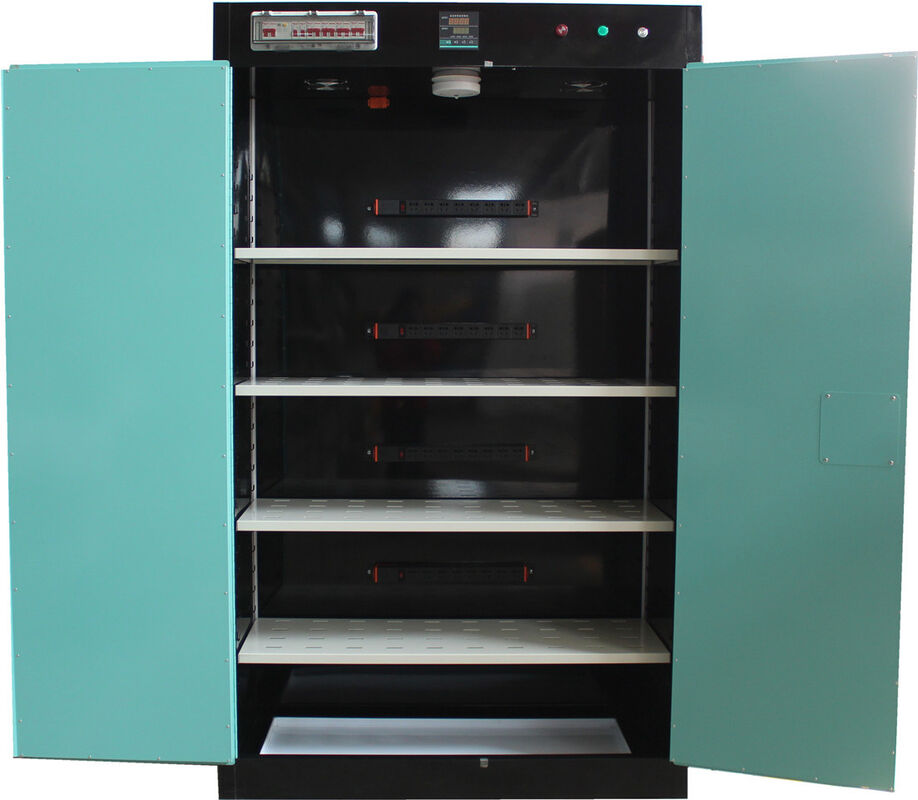
Lithium Battery Charging Cabinet

Brand Name: SSL
Model Number: SSL2601
MOQ: 5
Detail Information
Place of Origin:
CHINA
Certification:
ISO9001& ISO14001&CE
Door:
Double
Shelf Load Capacity:
50kg
Model:
Manual, Two
Type:
Laboratory Safety Equipment
Accessory:
Standard Configuration
Size:
1650*1090*460mm
Ventilation:
Built-in Vents With Flame Arresters
Finish:
Powder-coated
Locktype:
Key Lock
Product Description

Lithium Battery Charging Cabinet Product Description and Safety Regulations

What Are Lithium-ion Batteries?

Lithium-ion Batteries exit everywhere, such as private individuals, workplaces and companies.They are long-lasting and convenient for daily life. However they are dangerous if there are any incident. According to VDS3103 and EN it is important to keep these batteries safety.

Understanding the Unique Risks of Lithium Batteries

Lithium batteries are now an essential part of modern life, powering everything from smartphones and power tools to electric vehicles and industrial equipment. However, their high energy density also introduces unique and serious safety risks.

One of the most significant dangers is thermal runaway, a chain reaction in which a lithium battery rapidly overheats, leading to fire or even explosion. Lithium battery fires are particularly hazardous because they are extremely difficult to extinguish and may reignite even after the fire appears to be under control.

In addition, lithium batteries that are damaged, overcharged, or affected by manufacturing defects can vent flammable electrolytes or release toxic gases, posing severe risks to human health and the environment. Damaged or defective batteries can cause fires in bicycle stores or E-bikes retailer. Fireproof safety cabinets (type 90)with smoke detector monitoring provide deep protection when they are stored and charged in a private protected space.

For this reason, individuals, businesses, and logistics providers must take lithium battery safety seriously. Following proper handling procedures, using high-quality chargers, and ensuring correct disposal or recycling of end-of-life batteries are essential steps in reducing these risks.

What Is a Lithium Battery Charging Cabinet?

When lithium-ion batteries overheat, the risk of combustion, fire, and explosion increases significantly. A lithium battery charging cabinet provides a safe, controlled environment for both charging and storing lithium-ion batteries. In the event of a fire, the cabinet is designed to contain, isolate, and protect the batteries, helping to minimize damage to people, facilities, and surrounding infrastructure.

Lithium battery charging cabinets are widely used in workplaces to safely charge and store lithium-ion batteries. Our cabinets are available with 4 to 24 charging outlets and include a built-in containment sump, offering an added layer of protection against electrolyte leaks and fire-related incidents.

Fire-resistant Lithium Battery Cabinets: The Safe Choice for Charging and Storage

When it comes to lithium-ion battery safety, lithium battery cabinets are a cornerstone of any effective risk management strategy. These specialized cabinets are engineered specifically to address the hazards associated with lithium-ion technology, providing a secure and controlled environment for battery charging and storage.

Our lithium battery cabinets feature a heavy-duty double-wall steel construction combined with thermal barrier, delivering excellent fire resistance and heat insulation. This robust design is critical, as lithium-ion battery thermal runaway events can escalate rapidly, producing intense heat and flames. The cabinet structure helps contain incidents and prevent fire spread.

Beyond fire protection, the cabinets are equipped with a dual-fan ventilation system that continuously draws in cool air and expels hot air, helping to reduce battery temperatures during charging.

As the use of lithium-ion batteries continues to expand across industries, the importance of safe storage and charging solutions cannot be overstated. Investing in high-quality lithium battery charging cabinets is a proactive step toward protecting employees, safeguarding facilities, and meeting modern workplace safety expectations.

Do not store batteries with other products that can act as accelerants to a fire

What Happens When a Lithium Battery Thermal Runaway Event?

When a lithium battery enters thermal runaway, it first releases a stream of hydrogen gas, followed almost immediately by toxic hydrogen fluoride smoke. Within 1–3 seconds, the battery can violently explode. Flames then follow the path of the escaping gas and smoke, rapidly spreading the fire.

These events occur extremely quickly and with significant force, leaving little to no opportunity for manual intervention. The only effective way to manage such an event is through containment—allowing the battery to safely release its energy within a controlled, fire-resistant enclosure. This is where professional lithium battery charging cabinets deliver their greatest value, forming an essential layer of protection in any lithium battery safety system.

Use a charging cabinet or a room separated using fire safety technology if there are more than 5 batteries present.

Only store batteries in separate, fire-resistant areas or at a safe distance of 5 m

Monitor the storage areas where your batteries are located using suitable sensors with connection to a permanently staff ed alarm receiving office


Frequently Asked Questions


  • What is thermal runaway and why is it dangerous?

Thermal runaway is a critical failure event in lithium-ion batteries where internal temperatures rapidly rise out of control. During this process, the battery releases hydrogen gas, followed by highly toxic hydrogen fluoride (HF) smoke, often resulting in an explosion within 1–3 seconds. Temperatures can exceed 1000°C, triggering cascading failures in nearby batteries and causing severe fire and facility damage.
Understanding lithium-ion battery fire risks and implementing purpose-built safety cabinets is essential for modern battery storage and charging environments.


  • How does the Fire-resistant insulation work and what temperature can it withstand?

The Fire-resistant Insulation fully surrounds each battery compartment, functioning like a high-temperature industrial kiln. It is continuously rated for 1260–1430°C, effectively preventing extreme heat from transferring to the cabinet’s outer walls.
In the event of thermal runaway, Fire-resistant insulation helps protect surrounding infrastructure and reduces the risk of secondary fires, making it a critical feature in advanced lithium-ion battery cabinets.


  • Why Is a Ventilation System Essential in Lithium-Ion Battery Cabinets?

The ventilation system The integrated ventilation system safely channels hydrogen gas and hydrogen fluoride fumes through flame arrestors and exhaust vents. Without proper ventilation, pressure buildup inside the cabinet could force doors open or create explosive conditions.
A dedicated ventilation system is essential for safe lithium-ion battery storage, charging compliance, and explosion risk mitigation.


  • Can a Standard Flammable Goods Cabinet Be Used for Lithium-Ion Batteries?

No. Standard flammable goods cabinets are not designed to manage lithium-ion battery hazards. Risks such as thermal runaway, hydrogen gas release, and extreme explosion temperatures require specialized lithium-ion battery cabinets with advanced insulation and ventilation systems.
First-time buyers should always review lithium battery cabinet compliance standards before making a purchasing decision.


  • What Happens If a Battery Explodes Inside the Cabinet?

Each compartment is individually insulated to contain explosions and prevent thermal runaway from spreading. The combination of Fire-resistant insulation and the ventilation system manages heat, pressure, and toxic gases, protecting your facility from secondary fires and structural damage.


  • What IP Rating Do Your Large Li-Ion Battery Cabinets Have?

On the Heavy Duty lithium-ion battery cabinets, the external electrical fan switches are rated IP56, ensuring reliable performance in demanding industrial and outdoor conditions.


  • Where do the batteries put?

Do not expose the batteries directly or continuously to high temperatures or heat sources, such as direct sunlight.

Store the batteries in a location structurally or spatially separate from other flammable materials if there is no automatic extinguishing system available: minimum distance 2.5 m


Related Products